
At some point, many families face the question they never quite planned for: whether moving into a care home might actually be the safer option. It rarely arrives as a single decision. More often, it builds quietly in the background, shaped by small changes that slowly become harder to manage.
This guide walks through what moving into a care home really involves in the UK. Not just the practical side, costs, care types, and choosing a home, but also the part people don’t always talk about: how it feels, what changes, and how to make the transition less unsettling.
Moving Into a Care Home: What It Really Means
The phrase sounds straightforward, but in practice, it covers a wide range of situations. For some, it means having help with everyday tasks like dressing or meals. For others, it involves medical support that simply isn’t possible at home.
Across care homes in the UK, there’s no single model. Residential settings focus on daily living support. On the other hand, nursing homes include clinical care alongside personal assistance. Then some homes specialise in dementia care, where routines are more structured, and environments are designed to reduce confusion.
What often surprises families is how different one care home can feel from another. Two places may offer the same level of care on paper, yet the experience inside them can be completely different.
When Does It Become the Right Time?
This is the question most people circle for months, sometimes longer. And if you ask ten families, you’ll hear ten different answers.
For some, it becomes obvious after a single incident. A fall that could have been worse. A hospital stay that doesn’t quite resolve things. A moment where you realise the house itself has become difficult to manage.
But more often, it’s not one event. It’s a pattern. Meals skipped here and there. Medication taken at the wrong time. A bit more confusion than last month. Nothing dramatic on its own, but together, it adds up.
There’s also something people don’t always admit straight away: the strain on those providing care. Trying to balance work, family, and constant worry can wear anyone down. And when that happens, decisions start to shift from we can manage to we need support.
If you’re noticing that shift, even quietly, it usually means you’re already closer to the answer than you think.

How the UK Care System Actually Works?
Nobody ever calls the UK care system straightforward, and that’s fair. It isn’t. But once you get your head around the basics, it starts to feel less like guesswork and more like something you can actually navigate.
Most care homes in the UK are privately run. Some are part of larger groups, others, like Oakland Care, have stayed family-owned. Either way, they’re all inspected by the Care Quality Commission, which checks whether homes are safe, effective, and properly managed.
Those reports are helpful, but they don’t tell you everything. They’re snapshots, useful ones, but still just a moment in time. Local councils step in when funding becomes a question. They’ll carry out a financial assessment to work out what someone can contribute toward care.
Here’s something many families miss entirely: NHS Continuing Healthcare. It’s a fully funded care package for people whose needs are primarily health-related. According to the NHS, only a small proportion of people who could be eligible actually receive it, largely because families don’t realise it exists or assume they won’t qualify. It’s always worth asking. Even if it turns out not to apply, at least you know.
Types of Care Homes and Services Available
Choosing the right type of care home matters more than most people expect. It shapes everything from daily routines to long-term comfort.
| Type of Care | Who It Suits | What It Involves |
| Residential Care | Older adults needing daily support | Personal care, meals, activities, companionship |
| Nursing Care | Ongoing or complex medical needs | 24/7 qualified nurses, clinical monitoring |
| Dementia Care | Memory-related conditions | Specialist staff, structured routines, adapted environment |
| Respite Care | Short-term stays | Temporary care while family carers take a break |
| Day Care | Part-time support | Daytime activities, meals, social interaction |
| Convalescent Care | Post-hospital recovery | Supervised recovery before returning home |
| Palliative Care | End-of-life needs | Dignity-centred care, pain management, family support |
One thing to look for in any care home you visit seriously: the ability to adapt as needs change. Someone who moves in for residential care may need additional support months or years down the line. A provider worth choosing can grow with those needs rather than requiring another difficult move.
Choosing a Care Home Without Feeling Overwhelmed
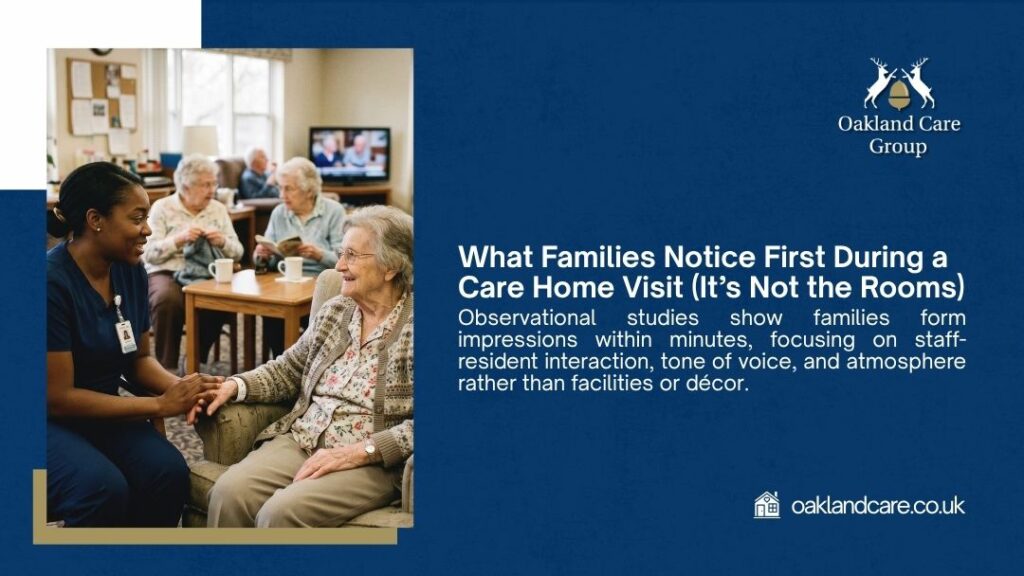
The search itself can feel like too much at first. There’s information everywhere, websites, brochures, ratings, and yet none of it quite tells you what it feels like to be there. That’s why most families end up relying less on checklists than they expect. They visit a few places, walk through the rooms, sit for a while, and pay attention to small details.
How staff speak to residents. Whether people look comfortable or simply occupied. Whether conversations feel natural or rushed. It’s not something you can measure easily, but it’s often what makes the decision clearer.
Location plays a part, too. Being close enough for regular visits tends to matter more than people initially think. A care home that feels right but is difficult to reach can slowly become isolating, for both sides.
Guidance like how to choose a care home is useful, but in the end, most decisions come down to a mix of observation and instinct rather than a single checklist.
What Actually Makes a Care Home Feel Right?
People often expect to notice facilities first, rooms, furniture, and layout. But what tends to stand out instead is the atmosphere. In places that work well, nothing feels forced. Staff don’t just complete tasks; they engage. Conversations happen naturally. Residents aren’t simply looked after, they’re included.
Meals are a good example. In some homes, they feel like part of the day, something to look forward to. In others, they’re just another scheduled activity. It’s a small difference, but it says a lot.
Then there’s pace. A good care home rarely feels rushed, even when it’s busy. There’s a sense that people have time, time to talk, time to listen, time to respond properly. You don’t always notice these things straight away. But once you do, it becomes easier to tell which places feel genuinely comfortable and which don’t quite settle.
Understanding what makes a good care home often comes down to these small but meaningful details, where consistent attention, calm routines, and unhurried care shape the overall experience.
The Emotional Side No One Really Prepares You For
Even when everything points toward the same decision, it doesn’t necessarily feel straightforward. There’s often a quiet tension between knowing something is the right choice and still feeling uncertain about it. That tension can sit there for a while.
Guilt tends to come up more than anything else. Not always openly, but it’s there. A sense of wondering whether more could have been done, or whether things could have stayed the same a bit longer.
At the same time, there’s another feeling running alongside it, relief. Less worry about safety. Less concern about whether everything is being managed properly. Both feelings can exist at once, which can be confusing in itself. If that sounds familiar, this piece on the guilt of putting parents in a care home might resonate.
For many families, that balance gradually shifts once routines settle and they begin to see the difference proper support can make.
Getting Ready for the Move
The practical side is usually more manageable than people expect. The emotional side tends to take longer. Packing isn’t just about clothes or essentials. It’s about deciding what feels familiar enough to bring with you. Some people take only the basics. Others prefer to recreate a space that feels closer to home.
Photographs help. So do everyday items, things that might not seem important until they’re not there. Some families set up the room in advance, even just slightly. A familiar layout, a known chair, a few personal touches. It doesn’t remove the change, but it softens it. There’s no perfect way to prepare. But a little familiarity goes further than most expect.
Care Home Costs Across the UK
Costs vary, sometimes quite a lot, depending on where you are and what level of care is needed.
| Care Type | Weekly Cost Range | Notes |
| Residential | £1,000–£1,500+ | Location plays a big role |
| Nursing | £1,300–£2,000+ | Includes medical care |
| Dementia | £1,300–£1,900+ | Specialist support required |
According to Age UK, there’s no single national rate, which can make comparisons tricky.
Paying for Care and Financial Assessments
This part can feel less clear-cut. Not because the system is unclear, but because it works differently depending on individual circumstances.
Some people fund their own care. Others go through a financial assessment with their local council. That assessment looks at income, savings, and assets, then determines what level of support, if any, is available. It’s not always a quick process. There can be waiting periods, paperwork, and decisions that take time to finalise.
In certain situations, the NHS becomes involved, particularly where ongoing medical care is needed. That support, often referred to as continuing healthcare, can cover a significant portion, or sometimes all, of the costs.
Most families find it helpful to speak with someone early on, even if they’re still exploring options. It gives a clearer sense of what might apply before decisions become urgent.
The First Few Weeks After Moving
The move itself is often calmer than expected. It’s the adjustment afterwards that takes a bit of time. At first, everything is unfamiliar. Different routines, new faces, a different rhythm to the day. Some people adapt quickly. Others take longer to find their footing.
There’s no fixed timeline. If you’d like a clearer sense of what those early weeks tend to look like, our guide to how long it takes to settle into a care home walks through the adjustment period stage by stage. A few days can feel long. A few weeks can pass quickly. Regular visits help, particularly in the early stages. Familiar voices tend to ground things. Over time, small routines begin to form: mealtimes, care home activities, conversations, and those routines gradually make the space feel more settled. It’s rarely instant, but it does happen.
What Daily Life Looks Like
There’s often an assumption that life in a care home is highly structured. In reality, it tends to be more flexible than people expect. Yes, there are routines, meals, care schedules, activities, but within that, there’s room for choice. Some residents prefer quiet time. Others enjoy group activities. Most fall somewhere in between.
Days usually unfold at a steady pace. Nothing rushed, nothing overly rigid. There’s a balance between support and independence, shaped around each person’s needs. What makes the difference is how that balance is handled. When it’s done well, it feels natural rather than imposed.
Staying Connected with Family
One concern that comes up often is whether moving into a care home creates distance between people. In practice, it tends to shift how time is spent rather than reduce it. Visits become more focused. Conversations feel less rushed. There’s often more space to simply sit and spend time together.
Most homes encourage regular visits, though timing can vary depending on routines. Some families visit frequently. Others settle into a rhythm that works around daily life.
Understanding how visits work can make things easier for both residents and families. Being aware of care home visiting hours helps set clear expectations, reduces confusion, and ensures visits are comfortable and well-organized for everyone involved.
What matters more than frequency is consistency. Familiar faces, regular contact, it all helps maintain a sense of connection.
Care Home or Care at Home?
The decision often comes down to how much support is needed.
| Aspect | Care Home | Home Care |
| Support | Ongoing | Limited hours |
| Social Contact | High | Often reduced |
| Independence | Less | More |
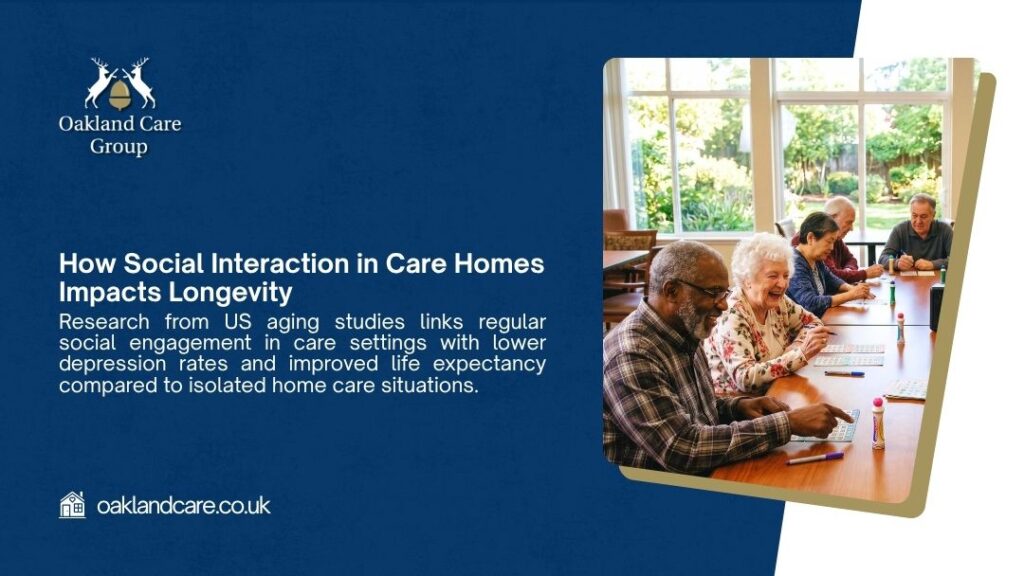
If you’re weighing both options, this comparison of care home vs home care might help. According to research, many older people find that moving into a care home improves their wellbeing, particularly when isolation or health concerns begin to affect daily life. It’s not something families always expect, but it’s a pattern that comes up often.
Questions That Cut Through on a Care Home Visit
When visiting a care home, it’s easy to focus on what’s shown to you. But the most useful insights often come from the questions you ask, and how they’re answered.
| Question | Why It Matters |
| How do you get to know each resident personally? | Shows whether care is individual or routine-based |
| What does a typical day look like here? | Gives a sense of structure and flexibility |
| How do you support new residents settling in? | Reveals how transitions are handled |
| Can families visit freely or at set times? | Clarifies expectations around contact |
| How are care plans reviewed or updated? | Indicates attention to changing needs |
The answers themselves matter, but so does how they’re delivered. Clear, thoughtful responses tend to signal a more attentive approach overall.
Mistakes That Actually Cost Families
Some decisions seem small at the time but can have a bigger impact later.
| Mistake | What It Leads To |
| Waiting until a crisis | Limited choice, rushed decisions |
| Focusing only on cost | Overlooking quality or environment |
| Skipping visits | Missing the real atmosphere |
| Not involving the resident | Increased resistance or discomfort |
Most of these can be avoided with a bit of time and early planning.
A Practical Pre-Move Checklist
A few simple steps can make the transition smoother, even if everything doesn’t go exactly to plan.
| Step | Purpose |
| Visit more than one home | Builds a clearer comparison |
| Understand funding options | Avoids unexpected costs |
| Prepare key documents | Speeds up the admission process |
| Bring familiar items | Helps create comfort early on |
No checklist covers everything, but having a basic plan tends to reduce unnecessary stress. The move itself is only the beginning, so it helps to know what settling into a care home after the move usually looks like and how families can support each stage.
FAQs About Moving Into a Care Home
How do you know when it’s time to move into a care home?
When daily tasks become unsafe or difficult to manage consistently, and support at home no longer feels sufficient, it may be time to consider a care home.
What is included when moving into a care home?
Most care homes provide accommodation, meals, personal care, and access to activities, with nursing care available in some settings.
How long does it take to settle into a care home?
Adjustment can take a few weeks, although this varies. Familiar belongings and regular visits often help.
Can someone choose not to move into a care home?
Yes, if they have the capacity to make decisions, they can choose where they live.
Are care homes better than home care?
It depends on the level of care needed. Care homes provide constant support, while home care offers assistance for shorter periods.
What should you bring when moving into a care home?
Personal items such as photographs, clothing, and familiar belongings help create a more comfortable environment.
Do families still visit regularly?
Yes, most care homes encourage visits and ongoing contact with friends and family.
Is moving into a care home permanent?
Not always. Some stays are temporary, particularly for respite or recovery.
Taking the Next Step
Moving into a care home is rarely straightforward, but it doesn’t have to feel overwhelming. With the right information and a bit of time to explore options, families can make decisions that feel more considered than rushed.
If you’re at the stage of looking into care, speaking with a provider directly often makes things clearer. A visit, a conversation, or simply asking questions can make all the difference.
