
Picking out a suitable care home is often a massive emotional hurdle for families. You want that rock-solid peace of mind that your mum, dad, or partner will be safe, truly cared for, and treated with real heart.
This guide walks you through the must-ask questions during a visit, mixed with expert pointers on care planning, day-to-day life, safety nets, the money side of things, and mental well-being. By having this checklist in your pocket during a tour, you can clear up the confusion, lower your stress, and feel much more certain about choosing a place where they can live with dignity and comfort.
Why Families Must Understand Questions to Ask When Visiting a Care Home
Getting your hands on solid info about what to ask when visiting a home is vital the moment you start looking at long-term options. It’s a time usually filled with a mix of guilt, second-guessing, and high pressure, especially when you feel like their independence is in your hands. Data shows that over 400,000+ folks are living in care settings across England and Wales, so this is a massive, common life event.
Choosing a care home is about so much more than just looking at a fancy building or a clean carpet. You’ve got to get under the hood of how care actually happens, how the team acts in a medical pinch, and how the people living there stay connected to the world. Going in person, asking the tough questions, and just watching how the afternoon unfolds often tells you more than any glossy brochure ever could.
Questions to Ask When Visiting a Care Home
Knowing the right things to bring up helps you see if a home is actually transparent and safe. These queries also help you figure out if the staff really care about the residents’ moods and health or if they’re just ticking boxes.
Questions About Personal Care and Individual Care Plans
Personal care is the absolute heartbeat of a resident’s life. When you’re visiting, you need to see if their support plans actually change as their health or personal whims do. You want to know if the home talks to the family and keeps everyone in the loop.
| Question to Ask | Why It Matters |
| How is the care plan created and reviewed? | Ensures care evolves with medical and emotional needs |
| How are family members included in care planning? | Encourages collaborative decision-making |
| How do staff manage complex medical conditions? | Indicates ability to provide specialised care |
| What support exists for mobility and hygiene routines? | Reveals dignity and independence support |
Understanding these bits and pieces helps you spot if a home actually sees the person as an individual. The best homes refresh these plans all the time to get the best results for everyone.
Questions About Staff Experience and Professional Training
The skill of the staff is what really makes the difference. You should be looking at how well they are trained and if they actually like working there.
| Question to Ask | Why It Matters |
| What training programmes do staff complete? | Shows commitment to professional standards |
| What is the staff-to-resident ratio? | Indicates responsiveness and supervision levels |
| How long do staff members typically stay employed? | Suggests workplace stability |
| Do carers specialise in dementia or nursing care? | Confirms ability to support complex needs |
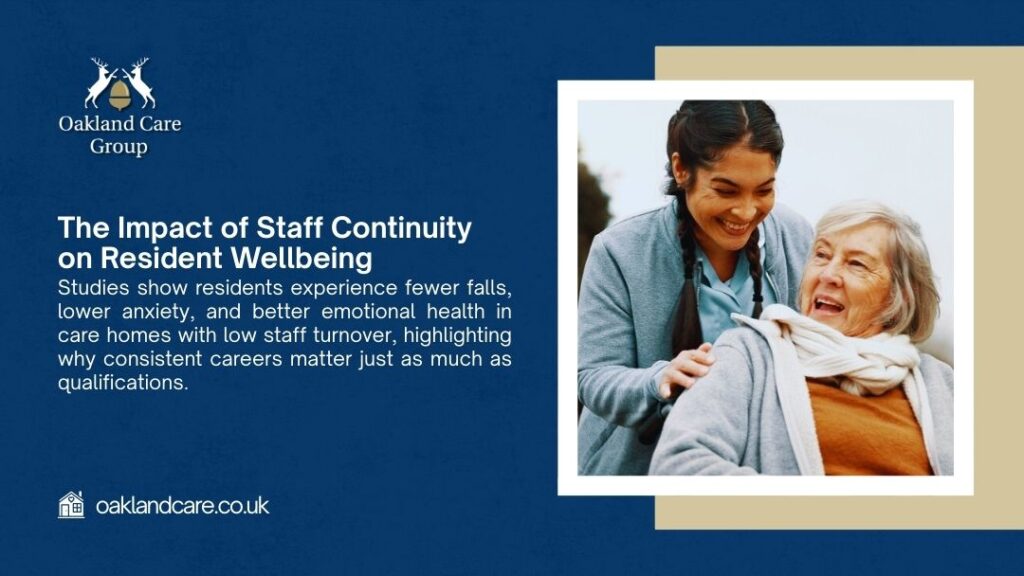
Homes that keep their staff happy and well-trained usually provide a much better service. If the staff stick around, it means the residents get to see the same friendly faces every day.
Questions About Daily Life and Social Engagement
The day-to-day is what keeps the mind sharp and spirits high. When you’re checking a place out, look for how they keep people busy and happy.
| Question to Ask | Why It Matters |
| What social activities are available weekly? | Supports mental stimulation and interaction |
| Can residents maintain personal hobbies? | Encourages independence |
| How do communal areas support social interaction? | Reflects the community environment |
| Are residents encouraged to join local outings? | Promotes connection beyond the home |
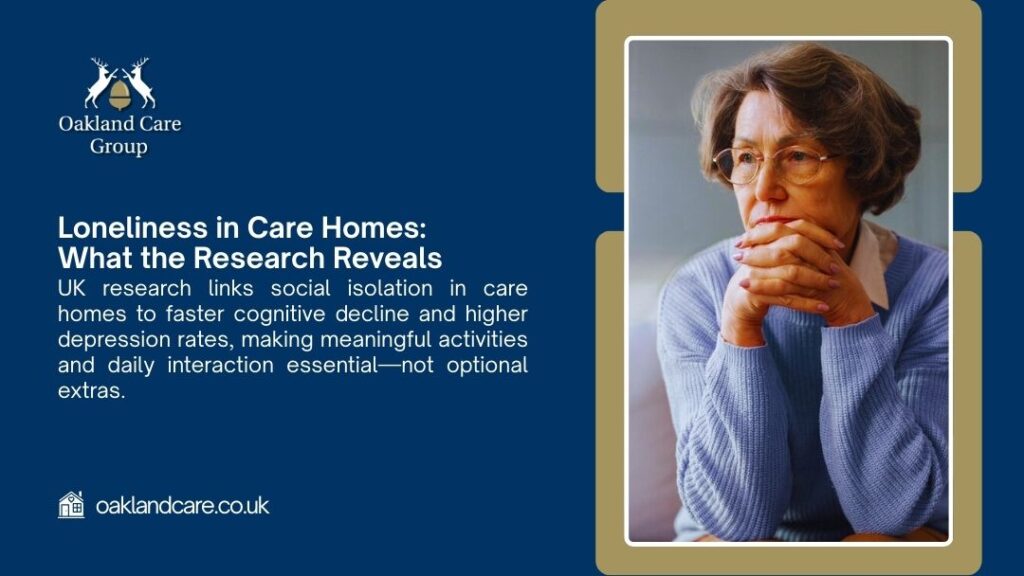
A lively social calendar is a great way to fight off loneliness. Homes that put effort into fun and outings usually have a much happier vibe.
Questions About Accommodation and Resident Rooms
The room is their sanctuary. While you’re there, think about whether it feels like a hospital ward or a proper home.
| Question to Ask | Why It Matters |
| Can residents personalise their rooms? | Helps emotional transition |
| Are bathrooms adapted for mobility support? | Improves safety |
| Are overnight stays for relatives allowed? | Encourages family connection |
| What accessibility features are available? | Supports independence |
A room that feels like theirs helps people settle in ten times faster and stops them from feeling so anxious about the move.
Questions About Nutrition and Dietary Requirements
Food is a massive part of the day. You should be looking at how much choice people have and if the food is actually fresh and healthy.
| Question to Ask | Why It Matters |
| Are menus adjusted for medical dietary requirements? | Supports clinical nutrition |
| Can residents request alternative meals? | Reflects flexibility and choice |
| Are meals prepared onsite by trained chefs? | Indicates quality control |
| How are hydration and meal support monitored? | Prevents malnutrition risks |
Questions About Safety, Security, and Medical Support
This is usually the biggest worry for families. You need to know that if things go wrong, the team knows exactly what to do.
| Question to Ask | Why It Matters |
| How do staff respond to medical emergencies? | Shows preparedness |
| How are medications stored and administered? | Ensures clinical safety |
| What fall prevention systems exist? | Reduces injury risk |
| How is dementia safety managed? | Protects vulnerable residents |
Questions About Visiting Policies and Family Involvement
Keeping that family bond strong is crucial for everyone’s happiness. You should check if the home makes it easy for you to be involved.
| Question to Ask | Why It Matters |
| Are visiting hours flexible? | Supports family relationships |
| How do staff update relatives on care progress? | Encourages transparency |
| Can families participate in care discussions? | Strengthens collaborative care |
| Are virtual visits available when travel becomes difficult? | Maintains regular communication |
Questions About Fees, Contracts, and Financial Transparency
The money side of things can be a headache. You need a clear, no-nonsense breakdown of what you’re paying for a care home.
| Question to Ask | Why It Matters |
| What does the weekly fee include? | Prevents hidden charges |
| Are additional services charged separately? | Helps budgeting |
| What happens if care needs increase? | Prepares families for future costs |
| What funding support advice is provided? | Helps families access financial guidance |
What to Look for When Choosing a Care Home During Visits
Besides the questions, just use your gut feeling. The following are things that you should look for when choosing a care home.
Environmental Atmosphere and First Impressions: Keep your eyes peeled for how clean the place is and how the staff talk to each other. A place that feels warm and well-run usually is. Look at the lounges and dining rooms, do they look like places you’d want to spend time? Little things like good lighting and nice decor can make a huge difference to how someone feels.
Observing Resident Wellbeing: Just watch the people already living there. Do they look comfortable and well-dressed? Are the staff being patient and kind during the busy lunch hour? Seeing how they treat people when they think no one is looking is the best way to judge a home.
Indicators of Person-Centred Care: This just means: does the home adapt to the person? Look for signs that residents can pick their own meal times or spend their afternoon doing whatever they fancy. Homes that value someone’s culture or religion usually offer much better emotional support.
Care Home vs Nursing Home: Clarifying the Difference
It’s easy to get the two mixed up. Here’s the quick comparison of Care Home vs Nursing Home, through which you understand what makes them different.
| Feature | Residential Care Home | Nursing Home |
| Medical Support | Personal care assistance | 24-hour registered nurse support |
| Resident Needs | Lower clinical needs | Complex medical requirements |
| Staffing | Care assistants and support workers | Clinical and nursing teams |
| Typical Residents | Mobility or lifestyle support needs | Chronic illness or rehabilitation needs |
How to Prepare Before Visiting a Care Home
A bit of homework before you go can make you feel much more in control.
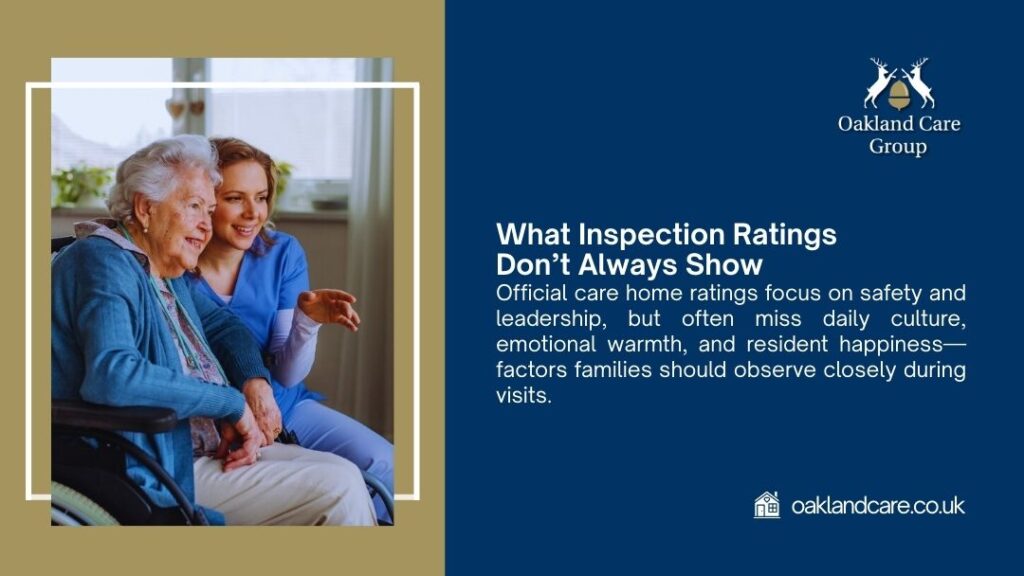
Research Inspection Ratings: In England, the CQC (Care Quality Commission) gives out ratings for safety and leadership. It’s well worth reading their latest reports before you book a visit, so you know where a home might be struggling.
Involving Family Members in Decision-Making: Try to take a sibling or a friend with you. They might spot a red flag that you missed, and it helps to have someone to chat through the pros and cons with afterwards. It also makes your loved one feel like the whole family is supporting them.
Understanding Emotional Transition Challenges: Moving is tough on the heart. Ask the staff how they help people settle in during that first tricky week. If they have things like counselling or welcome buddies, it’s a great sign that they care about the emotional side of things.
Emotional Questions Families Often Forget to Ask
We often get bogged down in the medical stuff and forget about the person’s happiness.
| Question to Ask | Why It Matters |
| How do staff support residents emotionally during relocation? | Helps reduce anxiety and loneliness |
| Are residents paired with social companions? | Encourages friendships |
| How do staff handle depression or isolation? | Demonstrates mental health awareness |
| How do staff support family reassurance? | Builds trust and communication |
Red Flags Families Should Never Ignore
Keep your guard up if the staff seem like they’re hiding something or if the place has a bad smell that they’re trying to cover up. If the residents seem ignored or if the medication area looks messy, it’s a big sign that things aren’t being run properly.
Questions to Ask Residents and Their Families
If you get a chance, have a quick word with a resident or another visiting relative.
| Question to Ask | Why It Matters |
| Are staff attentive and responsive? | Reveals daily care consistency |
| Do residents enjoy activities and meals? | Reflects lifestyle satisfaction |
| How quickly do staff respond to concerns? | Indicates service reliability |
| Would families recommend the home? | Offers an honest resident experience |
Comparing Multiple Care Homes: Decision Framework
It’s hard to keep all the homes straight in your head. Use this table after each visit while the memory is fresh.
| Evaluation Category | Home A | Home B | Home C |
| Care Plan Flexibility | |||
| Staff Interaction Quality | |||
| Safety Procedures | |||
| Social Activities | |||
| Family Communication | |||
| Cost Transparency |
Printable Care Home Visit Question Checklist
Use this list to make sure you’ve covered all your bases.
| Category | Key Evaluation Focus |
| Personal Care | Assessment, care reviews, dignity support |
| Accommodation | Room customisation, accessibility |
| Social Life | Activities, resident engagement |
| Safety | Emergency procedures, medication security |
| Fees | Weekly cost breakdown, funding support |
Helping Your Family Make a Confident Care Decision
Choosing residential care marks one of life’s most emotional transitions. Asking detailed questions to ask when visiting a care home ensures families select environments that protect dignity, independence, and happiness. Visiting several homes, speaking openly with staff, and reviewing care planning processes often lead to stronger long-term outcomes. If you’re looking for top-notch care, you should have a chat with the folks at Oakland Care. You can book a private tour to see their facilities for yourself and talk through what your loved one specifically needs.
