
What are the visiting hours and policies at a care home? It’s one of the first questions families ask, and rightly so. Visiting shapes emotional wellbeing, preserves family life, and plays a quiet but powerful role in care quality.
This article explains how visiting works today, what the law expects from care homes, and how families can navigate visiting with confidence before and after admission.
What Are the Visiting Hours and Policies at a Care Home?
In practical terms, most UK care homes operate with open or flexible visiting rather than rigid time slots. While many homes suggest daytime hours to fit around meals, care routines, and activities, those windows act as guidance, not hard limits.
Historically, visiting hours in care homes mirrored hospital visiting hours. That approach no longer reflects modern care. Care homes are homes, not hospitals, and current policy recognises that difference.
According to sector guidance aligned with the Health and Social Care Act 2008 (Regulated Activities) Regulations 2014, residents should be supported to maintain relationships with family members and friends as part of normal daily life.
To understand how this works in practice, it helps to compare expectation versus obligation.
| Visiting expectation | What providers are required to support |
| Daytime visiting is standard | Visits at times that suit the resident |
| Family and friends welcome | No blanket restrictions without justification |
| Reasonable visitor numbers | Risk-based decisions, not arbitrary limits |
What are the visiting hours and policies at a care home ultimately depend on individual care plans, resident wishes, and safety considerations. But the starting point is clear: visits should happen unless there is a genuine reason they cannot.
Legal Rights Behind Visiting Policies in UK Care Homes
The legal landscape has evolved significantly in recent years. Regulation 9A of the Health and Social Care Act 2008 requires providers to facilitate visiting wherever possible. Care homes must avoid restricting visiting unless it is strictly necessary to manage a serious risk.
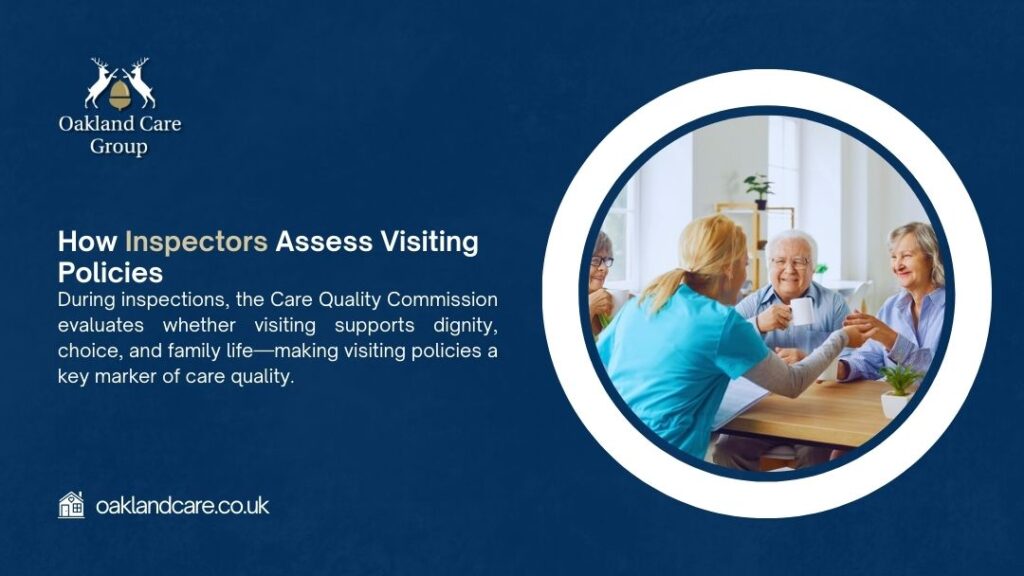
This is not guidance. It is an enforceable regulation, monitored by the Care Quality Commission. CQC inspectors now assess whether visiting policies respect resident choice and family life, particularly for people living with dementia or limited mental capacity.
Research published by the UK government during its consultation on visiting in care homes, hospitals, and hospices confirmed that social isolation increased anxiety, depression, and cognitive decline among care home residents. That evidence underpins the legal shift toward open visiting.
What are the visiting hours and policies at a care home, then, is no longer a matter of house rules. It is a matter of resident rights.
How Care Homes Decide Visiting Times
Visiting arrangements rarely appear at random. Care homes plan visiting around daily routines while remaining flexible to resident preference. The aim is to support residents without disrupting care delivery or privacy.
| Factor considered | Why it matters |
| Meal and medication schedules | Ensures residents receive care without interruption |
| Personal care routines | Protects dignity and privacy |
| Activities and therapies | Encourages participation without clashes |
| Resident preference | Prioritises personal choice |
| Staffing levels | Supports safe and attentive visits |
Before and after these routines, visiting often flows freely. When families understand how care homes plan their day, visiting becomes easier rather than restrictive.
Visiting During Illness, Outbreaks, or Increased Risk
Care homes may introduce temporary safety measures during infectious outbreaks, but these must remain proportionate and regularly reviewed.
| Situation | Visiting approach |
| Seasonal illness | Risk assessments with minimal restrictions |
| Local outbreak | Additional hygiene or testing |
| Widespread infection | Managed visits rather than bans |
| End-of-life care | Visiting is maintained at all times |
Even during increased risk, care homes must support meaningful contact. Safe visiting is about balance, not isolation.
Visiting Policies Compared With Hospitals
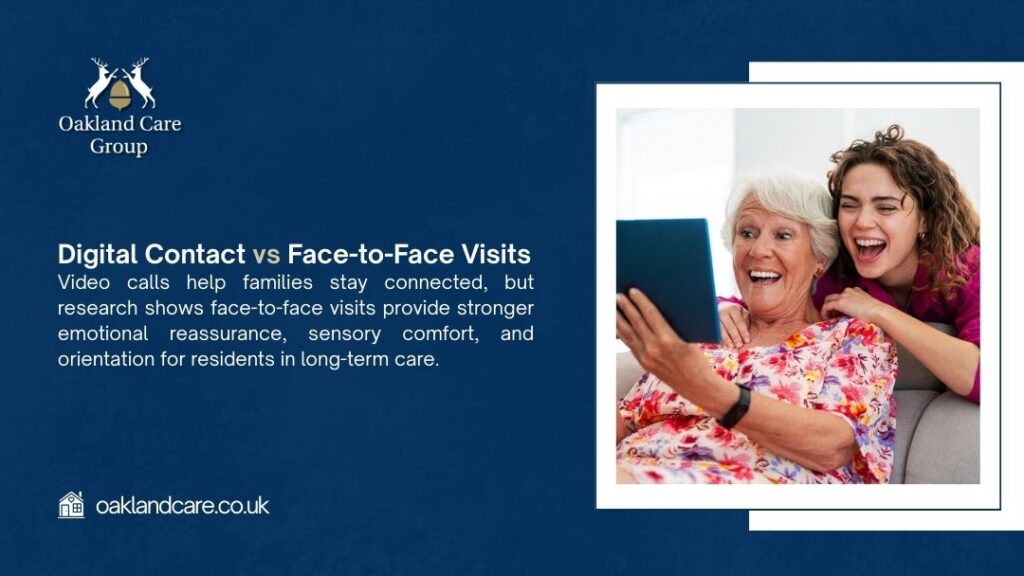
Confusion often arises because families compare care homes with hospitals. Hospital visiting hours remain time-bound due to clinical environments, while care homes prioritise daily living and personal relationships.
The difference is structural.
| Setting | Visiting approach |
| Care homes | Resident-led, flexible, relationship-focused |
| Hospitals | Time-restricted, clinically controlled |
Questions such as can you take flowers into the hospital UK? Highlight institutional limits that do not usually apply in care homes. Most care homes welcome personal items, flowers, and meaningful belongings, provided they do not pose safety risks.
The Role of Families and Support Visits
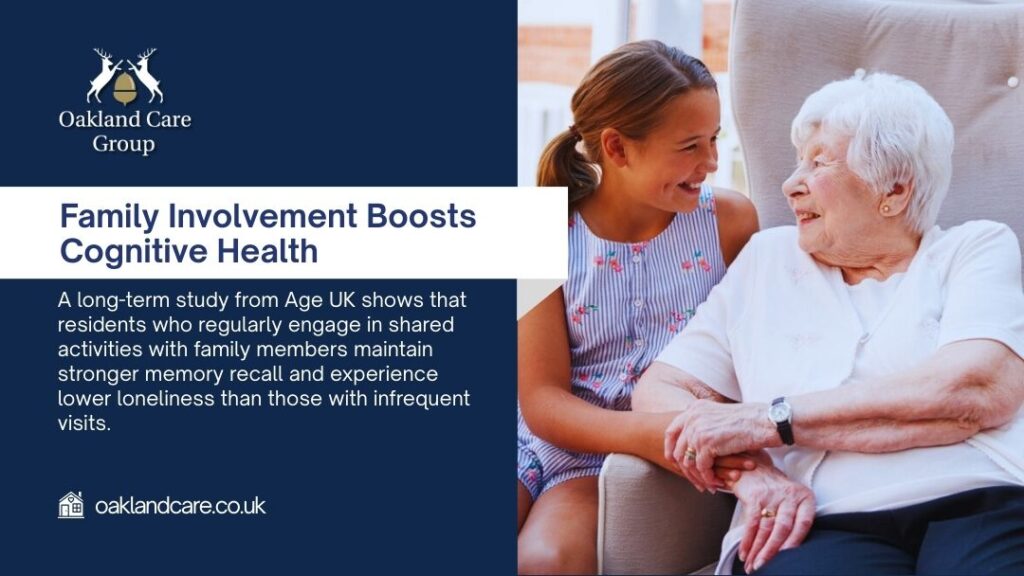
Family involvement is not an add-on. It is recognised as part of care and treatment. Families and friends often provide emotional stability, orientation, and reassurance, particularly for people living with dementia.
Visiting also supports oversight. Families notice changes, raise concerns, and help maintain continuity. For residents lacking capacity, visiting plays a role in safeguarding rights under the Mental Capacity Act and Mental Health Act frameworks.
What are the visiting hours and policies at a care home should therefore be discussed early, reviewed regularly, and documented. Homes that discourage questions around visiting are often out of step with best practice.
Visiting Outside Standard Hours
Life does not always fit neatly into visiting windows. Care homes recognise this and adjust accordingly.
| Circumstance | Visiting response |
| End-of-life care | Unlimited access |
| Medical deterioration | Immediate visiting |
| Emotional distress | Flexible arrangements |
| Family travel constraints | Adjusted visiting times |
These situations are handled case by case, guided by compassion rather than policy alone.
Visiting Rules for Dementia and Nursing Care
Visiting plays a vital role in dementia and nursing care settings, where continuity and familiarity matter most.
| Care type | Visiting focus |
| Dementia care | Familiar faces to reduce confusion |
| Nursing care | Emotional reassurance alongside clinical support |
| Advanced needs | Visits aligned with comfort and energy levels |
Consistent visiting can reduce agitation and improve emotional security, making it an essential part of dementia-friendly care.
How Many Visitors Are Allowed at One Time
Visitor numbers usually reflect resident comfort rather than strict limits.
| Consideration | Typical approach |
| Room size | Safe, comfortable spacing |
| Resident preference | Choice-led decisions |
| Shared areas | Respect for others |
| Special occasions | Temporary flexibility |
Care homes focus on the quality of visits rather than headcounts.
How to Check a Care Home’s Visiting Policy Before Admission
Understanding visiting policies early prevents frustration later.
| Step | What to ask |
| Initial enquiry | Is visiting flexible? |
| Care planning | How are preferences recorded? |
| Staff discussion | Who coordinates visiting? |
| Written policy | How often is it reviewed? |
Clear answers signal transparency and confidence.
Why Visiting Rules Matter More Than Ever
Visiting protects mental wellbeing, supports identity, and reinforces dignity. Research links regular family contact with reduced loneliness, improved mood, and better outcomes for people living in care. Visiting is no longer an optional courtesy; it’s a cornerstone of good care.
Choosing a Care Home That Welcomes Families
Visiting policies reveal more than schedules. They reflect values. Choose a care homes that prioritise open, respectful visiting and often delivers stronger care experiences overall. If you’re exploring options, look for providers who treat families as partners, not visitors.
Oakland Care homes are built around this philosophy, supporting meaningful connections while maintaining safe, well-run environments. If you’d like to explore how visiting works in practice, speak with a care team that understands that home should always feel like home.
Get in touch today to arrange a visit, ask questions, and see how family-focused care works when it’s done properly.
