
If you’ve started looking into care home costs, you’ve probably heard someone mention the “7-year rule.” It’s one of those things that gets talked about a lot, but most people don’t really understand what it means. So, what is the 7-year rule for care home fees, and should you be worried about it?
Here’s the thing: it’s not actually a hard and fast rule at all. It’s more like a rough guideline that gets thrown around, and honestly, it causes more confusion than it helps. We’ve seen too many families make expensive mistakes because they thought they understood this rule when they really didn’t.
The basic idea, set out in the Care and support statutory guidance, is that if you give away money or property more than seven years before you need care, the local council can’t count those assets when they’re working out whether you can afford to pay your own care fees. But it’s way more complicated than that.
What Councils Look For
Local councils know people try to hide assets to avoid paying care fees, and they’ve got pretty good at spotting it. When they’re doing their assessment, they’re looking for what they call “deprivation of assets” – basically, did you give stuff away just to avoid paying care costs?
The 7-year thing comes into it because after seven years, it becomes much harder for them to prove you were trying to dodge care fees. But they can still investigate you even if it’s been longer than seven years.
What councils really care about is why you gave the money away. If you can show you had good reasons that had nothing to do with avoiding care fees, you’re probably okay. If it looks like you were planning ahead to avoid paying, you could be in trouble regardless of how long ago it was.
When the 7-Year Thing Matters
So what is the 7-year rule for care home fees in real terms? Think of it like this – the longer ago you gave something away, the easier it is to argue you weren’t thinking about care costs at the time.
If you gave your house to your kids last year and now you need care, good luck convincing anyone that it wasn’t about avoiding fees. But if you did it fifteen years ago when you were fit and healthy, it’s much easier to argue you were just helping your family out.
The seven-year mark is roughly where the balance tips. Seven years ago, councils found it pretty easy to argue you were planning ahead. After seven years, they need much stronger evidence to make their case stick.
What Counts as Deprivation
This is where it gets tricky. Not every gift counts as trying to avoid care fees. Councils recognize that people give money to family for all sorts of reasons, and they can’t investigate every single transaction.
They’re mainly interested in significant amounts – we’re talking about substantial gifts, property transfers, or patterns of giving that don’t make sense otherwise. If you’ve been giving your grandkids £50 for birthdays, nobody cares. If you suddenly gave away £200,000 when you started having health problems, that’s different.
The key question is always: would you have made this gift anyway, even if care fees weren’t a consideration? If the answer is yes, you’re probably fine. If the honest answer is no, then you might have a problem.
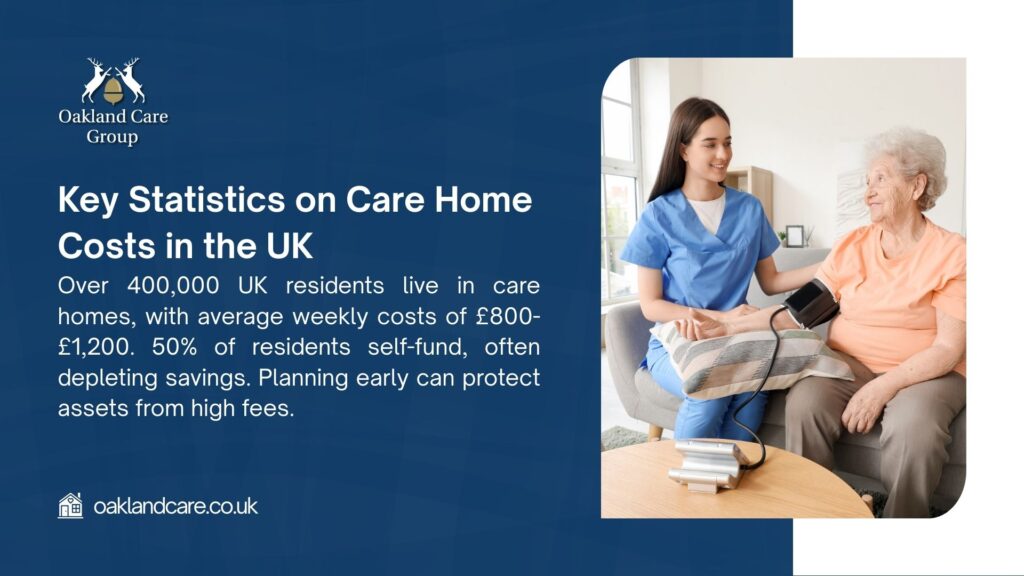
How Investigations Work
When councils investigate possible deprivation, they don’t mess about. They’ll go through your bank statements with a fine-tooth comb, looking at every transaction going back years. They’ll want to see medical records to establish when your health started declining. They might even interview your family members.
Modern investigations are much more thorough than they used to be. Councils share information with each other, so moving to a different area doesn’t help. They use computer systems that can spot patterns across multiple accounts and years of data.
What catches most people out is the documentation. Every transfer, every conversation about money, every email mentioning care costs – it all gets examined. People think they’re being clever, but they leave trails everywhere.
Better Strategies Than Just Timing
Understanding what the 7-year rule for care home fees is useful, but it shouldn’t be your only strategy. Relying purely on timing is risky and often doesn’t work anyway.
The smartest people start their planning early, really early, when they’re still healthy and aren’t even thinking about care. They make sure any gifts they make are for genuine reasons that have nothing to do with care costs.
Some families look into things like tenants in common arrangements to protect property, though these need proper legal advice. Others use insurance products or other financial planning tools.
The key is having multiple strategies that all make sense on their own, rather than one big obvious scheme. And everything needs to be properly documented with clear reasons that stand up to scrutiny.

Property Issues Are Complicated
Your house is usually your biggest asset, so what happens to it matters a lot. This is where understanding what the 7-year rule for care home fees is gets really important, but also really complicated.
Simply giving your house to your kids isn’t as straightforward as people think. There are tax implications, legal issues, and potential problems if your family circumstances change. Plus, if you carry on living there after giving it away, councils might treat it as if you still own it anyway.
There are legitimate ways to plan around property, but they need professional advice. The rules around property are different from other assets, and the stakes are usually much higher because houses are worth so much.
When People Get It Wrong
The biggest mistake we see is people thinking the 7-year rule gives them complete protection. They give away their assets exactly seven years and one day before they expect to need care, thinking they’re safe. That’s not how it works.
Another common error is making gifts when health problems have already started. If you’ve been diagnosed with dementia or had a serious health scare, any significant gifts after that point are going to be closely scrutinized, regardless of timing.
Some people try to be clever by making multiple smaller gifts or using different family members. But councils look at the overall pattern, not individual transactions. If you normally give your kids £1,000 at Christmas and suddenly you’re giving them £20,000, that’s going to stand out.
The worst cases we’ve seen involve people who thought they were getting professional advice but were actually being sold expensive schemes that didn’t work. There are companies out there that prey on people’s fears about care costs, promising protection that doesn’t exist.
What About Care Fee Caps?
People often ask about whether there’s a cap on care home fees and how this affects the 7-year rule. The government has promised reforms to the care system, including potential caps on what people pay.
These reforms keep getting delayed, and even when they do come in, they won’t help everyone. The proposed caps are still substantial amounts, and they don’t cover accommodation costs. So while future changes might help, you can’t rely on them to solve the problem.
The planning you do now needs to work under the current system, not some future system that might never happen or might be different from what’s currently proposed.
Getting Professional Help
This stuff is complicated, and the stakes are high. Getting it wrong could cost your family tens of thousands of pounds, or even hundreds of thousands if property is involved.
Proper professional advice isn’t cheap, but it’s usually worth it compared to the potential losses from getting things wrong. You need advisers who specialize in this area and understand both the legal and practical aspects of care planning.
But be careful who you get advice from. There are legitimate financial advisers, and there are people selling schemes that sound too good to be true. If someone promises they can definitely protect all your assets from care fees, be suspicious.
The best advisers will explain the risks as well as the opportunities. They’ll help you understand what might work in your situation, but they won’t make unrealistic promises about guaranteed protection.

Planning for Moving Into a Care Home
When you’re actually in need of moving into a care home, understanding what is the 7-year rule for care home fees becomes much more immediate. At this point, your options are more limited, but there are still things you can do.
If you’ve done planning in the past, make sure you have all the documentation ready. You’ll need to show why you made the decisions you did, and having clear records makes a huge difference.
If you haven’t done any planning, don’t panic and start giving things away. Last-minute gifts are almost certain to be investigated, and they rarely work anyway. Focus on understanding what funding options are available and making sure you’re getting all the help you’re entitled to.
Sometimes people qualify for NHS continuing healthcare funding, which covers all care costs. Other times, there might be local authority funding available, or deferred payment schemes that let you use your house value to pay fees.
