
Let’s get straight to the point. Is there a cap on care home fees in the UK? Well, it’s complicated. There isn’t one simple answer that covers everyone’s situation, which frankly makes the whole thing pretty frustrating for families trying to plan ahead.
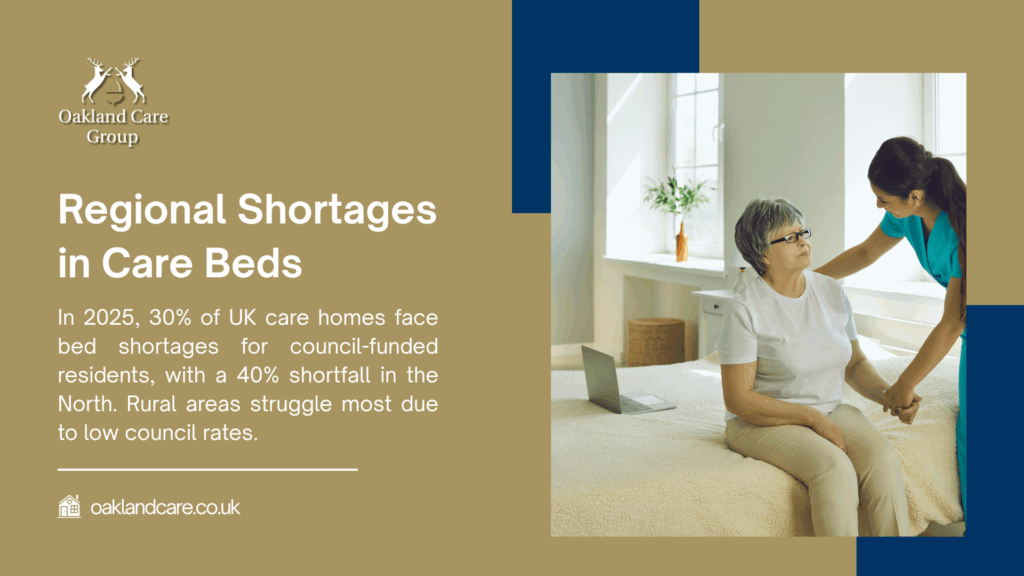
Here’s what actually happens in the real world. If your local council is paying for care, they’ve got set rates they’ll pay to care homes. These rates are different everywhere – what Durham council pays might be hundreds of pounds less per week than what Westminster council pays. So there’s a cap of sorts, but it varies massively depending on where you live.
The tricky bit comes when you’re paying for care yourself. Care homes can pretty much charge what they like to private residents. And here’s the kicker – they often charge private payers way more than they accept from the council for exactly the same room and care. It’s legal, but it doesn’t feel particularly fair when you’re the one writing the cheques.
What Local Councils Actually Pay (And Why It Matters)
Local councils negotiate rates with care homes, and these become the de facto caps for publicly funded residents. But the differences between areas are stark. A decent care home in Surrey might get £900 a week from the council, while a similar place in County Durham gets £550. Same standard of care, completely different price tags.
This creates problems when care homes struggle to make ends meet on council rates. Many homes have started being choosy about how many council-funded residents they’ll take. Some have stopped taking them altogether, leaving families scrambling to find available beds. Understanding how much care homes actually cost in the UK makes it clearer why council rates and self-funder fees have drifted so far apart.
The situation gets messier when you consider that care homes often subsidize their council-funded residents by charging private payers more. It’s become a sort of Robin Hood arrangement, except Robin Hood is wearing scrubs and has access to your bank account.
What really winds people up is that the government keeps talking about introducing a lifetime cap on care costs. They’ve been promising this for years now, but it keeps getting pushed back. The latest version was supposed to limit how much someone pays toward personal care over their lifetime, but even when it does arrive, it won’t cover accommodation costs.
| Region | Council Rate Range | Private Rate Reality | The Gap |
| London | £800-£1,100 | £1,400-£2,500 | Massive |
| South East | £700-£950 | £1,200-£1,800 | Significant |
| North England | £500-£700 | £800-£1,300 | Notable |
| Scotland | £650-£850 | £1,000-£1,500 | Substantial |

How This Actually Works When You Need Care
Let’s say your mum needs care home placement. If she’s got savings under £23,250, the council will help with costs. If she’s got more than that, she’s on her own until her money runs down to that level. There’s your cap right there – once you hit that threshold, public funding kicks in.
But here’s where it gets interesting. Care homes can’t just chuck people out when they run out of money. They have to work with the local council to arrange ongoing funding. However, they might move someone to a different room or reduce certain services to match what the council will pay.
Some families panic about whether next of kin are responsible for care home fees when someone can’t pay. Generally speaking, you’re not legally on the hook for your relative’s care costs, though care homes might try to make you feel otherwise.
The means test looks at everything – savings, investments, and usually the family home if the person isn’t going back to it. This is where many families start exploring ways to avoid selling your house to pay for care. There are legitimate strategies, but you need to be careful about the rules around deprivation of assets – essentially giving things away to reduce your assessed wealth.
Different Types of Care, Different Rules
The type of care someone needs affects what caps apply. Regular residential care has one set of rules, while nursing care has different funding arrangements. Understanding care home vs nursing home differences matters because nursing care might qualify for NHS funding contributions.
Some people manage to avoid residential care altogether by getting support at home. When comparing care home vs home care costs, staying at home often works out cheaper, though it depends on how much care someone needs.
NHS Continuing Healthcare is the holy grail of care funding – it covers everything with no contribution required. But qualifying is tough, and most applications get rejected. If someone does qualify, there are no caps to worry about because there are no fees to pay.
The system has become more complex with new rules for care home payments coming into effect. These changes aim to provide better protection for families, though whether they’ll make much practical difference remains to be seen.
Is There a Cap on Care Home Fees in the UK?
Despite all the talk about caps and protection, many families still face substantial care costs. Someone might start paying £1,200 a week privately, then after a couple of years when their money runs low, the council steps in paying £700 a week for the same care.
The reality is that most caps don’t prevent significant financial impact – they just prevent complete financial ruin. Someone might still lose £100,000 or more before qualifying for help, which represents a lifetime of savings for many families.
Regional differences make planning particularly difficult. A family in London faces completely different financial pressures compared to one in Newcastle, yet the support mechanisms don’t always reflect these disparities adequately.
Understanding how to avoid care home fees becomes important for many families, though the options aren’t always straightforward or suitable for everyone’s situation.

The Current State of Fee Protection
While there isn’t a universal cap that protects everyone from high care home fees, several mechanisms do provide some protection. Local authority rates create caps for publicly funded care, means testing prevents complete asset depletion, and various benefits can help with costs.
The proposed lifetime cap keeps getting delayed, but when it eventually arrives, it should provide better protection for people with moderate assets. However, it won’t help the wealthy much, and it won’t cover accommodation costs, which often represent the biggest chunk of care home fees.
Paying for care home fees remains a complex topic because there’s no one-size-fits-all solution. Each family’s situation is different, and what works for one person might be completely unsuitable for another.
The system isn’t perfect, and many families still face difficult choices about care funding. However, understanding what protection exists and how it works helps people make better decisions about their care arrangements and financial planning.
| Care Funding Route | Weekly Cost | Cap/Protection | Catch |
| Council funded | £500-£900 | Council rate cap | Limited choice |
| Self-funded | £800-£2,500 | Means test safety net | Expensive until you qualify |
| NHS funded | £0 | Complete protection | Very hard to qualify |
| Mixed funding | Varies | Partial protection | Complex arrangements |
Planning Ahead Makes Sense
Given the complexity around care home fee caps, planning ahead becomes crucial. Families who understand the system early can make better decisions about care arrangements and financial protection strategies.
Professional advice often proves valuable, particularly when significant assets are involved. Care funding specialists understand the various rules and can help families navigate the system more effectively than trying to figure it out during a crisis.
The emotional stress of needing care can make financial decisions harder, so having a plan in place beforehand helps families make more rational choices when the time comes.
