
Running out of money for care home fees hits thousands of families every year. It’s a nightmare scenario that keeps people awake at night. Watching savings disappear while wondering what comes next. The brutal reality is that care home costs can wipe out a lifetime of careful saving faster than anyone expects. Many families also ask whether the next of kin are responsible for care home fees once the savings run out.
Most care homes charge between £600 and £1,200 every week. Even families who thought they’d saved enough for anything often find themselves struggling after a couple of years. Money is only half the burden, and many relatives also wrestle with the guilt of a care home move long after the decision is made. Moving an elderly parent or spouse who’s settled somewhere feels almost cruel, but the bills keep coming regardless of how anyone feels about it. If funding pressure raises the question of whether social services can force a care home move, the answer depends on mental capacity and the legal safeguards that apply.
When the Bank Account Hits Zero
So what actually happens when the money runs out becomes reality rather than fear? The short answer is that councils have to step in. They can’t just shrug their shoulders and walk away – the Care Act 2014 makes sure of that.
Local authority social workers will want to see everything – bank statements, pension details, any property owned, the lot. They’re not being nosy for the sake of it. They need to work out exactly what someone can afford and what help they need. This process usually takes a few weeks, sometimes longer if there are complications.
During this time, most care homes will keep providing care. They know the system, and they know that abruptly stopping care for someone who can’t help themselves would cause huge problems for everyone involved. However, they might want some reassurance that payment is coming from somewhere.
The council can’t just wash their hands of someone who needs care. If they’ve assessed someone as needing residential care, they have to make sure that person gets it. Sometimes this means paying for the current placement to continue, other times it might mean finding somewhere else that works within their budget.
Nobody gets thrown out onto the street. The system has flaws, but it’s not that heartless. There are procedures, timeframes, and legal protections that kick in when money runs out.
How Much Money Triggers Council Support
The government sets strict rules about who gets help and who doesn’t. These are legal requirements that every council has to follow. For 2024-25, anyone with less than £14,250 in total assets gets full help with their care costs.
People with assets between £14,250 and £23,250 fall into a middle ground. They get some help, but they have to contribute whatever they can afford. Anyone with more than £23,250 is expected to pay their own way until their money drops below that threshold.
| Total Assets | What Happens |
| Under £14,250 | Council pays everything |
| £14,250 – £23,250 | Shared costs based on what you can afford |
| Over £23,250 | Pay your own costs |
The family home usually counts toward these figures, but there are exceptions. If someone’s husband, wife, or certain family members still live there, the house might not count. Councils sometimes ignore property values during the first 12 weeks of care, too, giving families time to make decisions.
Everyone gets to keep £28.25 per week for personal bits and pieces, regardless of who’s paying the bills. This isn’t much, but it covers small extras like newspapers, sweets, or personal care items that make life a bit more comfortable.
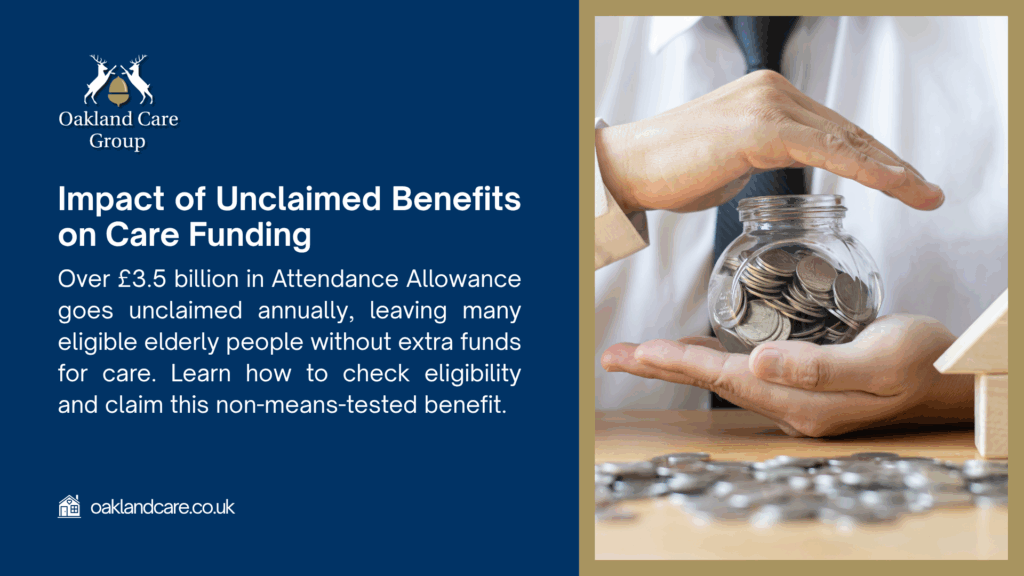
Income from pensions and benefits gets counted, but there are some benefits that don’t affect the assessment. Attendance Allowance, for example, can be claimed on top of everything else and provides extra money for personal use.

Other Ways to Find Money Before Council Funding
Before throwing in the towel and relying on council funding, there might be other options worth exploring. These won’t work for everyone, but they could buy time or provide extra resources that make a difference.
Some people look at immediate needs annuities. These turn a lump sum into guaranteed monthly payments specifically for care costs. They often come with tax breaks and protection against fee increases, which can be helpful if there’s still some capital left.
Equity release lets homeowners get money from their property without selling it. This isn’t right for everyone; there are risks and costs involved, but it can provide substantial funding when other options have dried up. Anyone considering this needs proper independent advice.
Lots of older people miss out on benefits they’re entitled to. Attendance Allowance is a big one – it’s not means-tested and can be claimed even when getting council support. It provides extra income that can go toward personal expenses or better care options.
Sometimes the solution isn’t finding more money but finding cheaper care. Looking at care home vs nursing home options might reveal suitable alternatives that cost less. Or maybe care home vs home care arrangements could work out cheaper while keeping someone in familiar surroundings.
Family Members Paying Extra
Family top-ups let relatives contribute extra money when council rates don’t cover the full cost of someone’s preferred care home. This can keep people in places they like, but it needs careful thought because these arrangements can go wrong.
Anyone promising to pay extra has to prove they can afford it long-term. Councils will warn about the risks if these payments might become unaffordable later. If the extra payments stop, the person might have to move somewhere cheaper.
Recent changes covered in new rules for care home payments have made things clearer about who’s responsible for what. These rules try to protect residents while making sure the money side of things works for everyone.
Top-up agreements should be written down properly and checked regularly. What seems affordable now might become a problem if someone loses their job, gets sick, or faces other financial pressures. Regular reviews mean problems can be spotted and dealt with before they become crises.
The amount varies hugely depending on the care home. Some places charge way more than council rates, while others operate much closer to what local authorities will pay. Shopping around might find places that need smaller top-ups or none at all.
Rights and Legal Protections
People don’t lose their rights when they run out of money. Care homes can’t just evict residents who can’t pay anymore, especially if the placement was originally arranged through the council. There are proper procedures that have to be followed.
Any move requires proper notice, usually 28 days minimum, and alternative arrangements must be confirmed before anyone goes anywhere. The Care Act 2014 lays out exactly what has to happen to protect vulnerable people during these transitions.
There’s also something called “choice of accommodation,” which means people should have reasonable options about where they get their care, even when the council is paying. The choices have to be realistic within budget limits, but it stops people from being dumped anywhere without consideration.
Independent advocates can help during difficult times. These people know the system and can make sure rights get protected. They help with communication between everyone involved and make sure the person needing care has a voice in what happens.
Care homes have contracts and regulations they must follow, regardless of who pays the bills. Understanding what they’re supposed to do helps families make sure they get proper support throughout any changes.
Dealing with Care Home Managers
Talking to care home managers early makes sense when money troubles start looming. Most care homes prefer working with families rather than dealing with the mess and costs of placement breakdowns.
Some care homes will offer payment plans or temporary rate reductions while families sort out funding alternatives. They’re not obliged to do this, but many find it easier than having empty beds and hunting for new residents.
Being honest about money problems helps care homes plan properly. They might be able to suggest solutions that wouldn’t otherwise be obvious. Having these conversations early usually works out better than waiting until payments are missed.
Care homes know the system. Most have dealt with funding transitions many times before. Their practical knowledge can be really helpful when navigating council procedures or exploring other funding sources.
The good care homes will work with families to find solutions. The less good ones might try to push for moves to more expensive places or create unnecessary pressure. Knowing the difference helps families respond appropriately.
Getting Ready for Funding Problems
Planning ahead beats crisis management every time. Paying for care home fees early in the process lets families make informed decisions about how to use their resources.
Regular money reviews should look at whether current care arrangements can continue and spot warning signs before funds completely disappear. This forward-thinking approach means smoother transitions and better outcomes.
Keeping up with care home fee caps and proposed changes helps families understand what might happen in the future. Reform has been delayed, but staying informed helps with long-term planning.
Long-term care insurance isn’t widely available in the UK, but this might change. These products could protect against catastrophic care costs, though they need careful checking of what’s covered and what isn’t.
Estate planning becomes important when care costs might eat up family wealth. Getting professional advice about giving money away early, trust arrangements, and how property is owned can help protect assets while making sure care needs get met.
Handling the Emotional Side
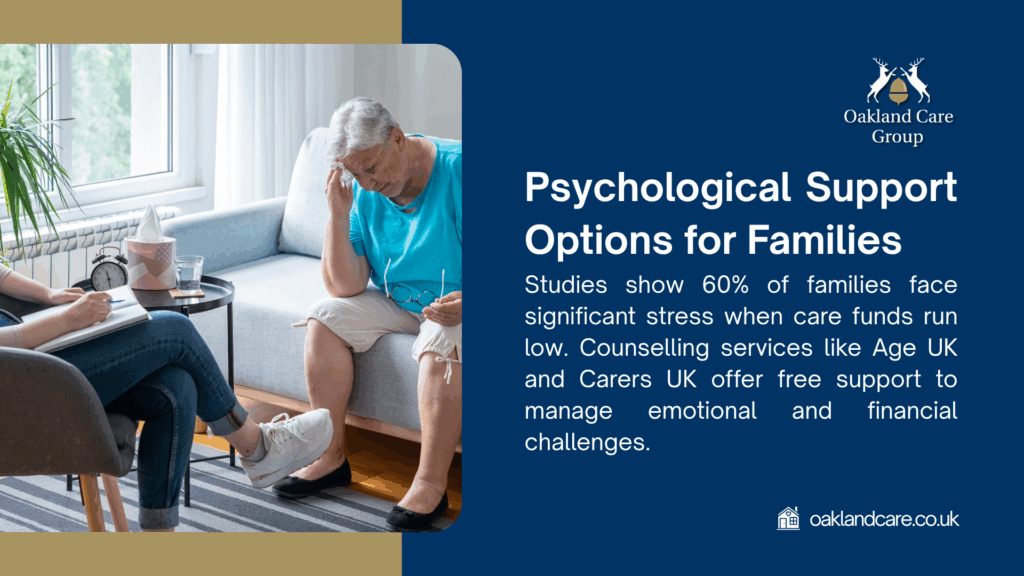
Running out of money for care affects more than just bank balances. Families often feel guilty, anxious, and stressed when facing tough decisions about care and funding. These feelings are normal, but they can make practical decision-making harder.
Professional counselling or family mediation can help during tough times. These services help people process difficult emotions while focusing on practical solutions that work for everyone.
Dignity and quality of life matter regardless of who pays the bills. Moving from private to council funding doesn’t automatically mean worse care, though there might be changes in rooms or services available.
Talking clearly with the person needing care, when possible, means their views get considered. Their opinions and agreement remain important when making care arrangements, even when options become more limited.
Family disagreements often surface when money gets tight and decisions need to be made. Different family members might have completely different ideas about what should happen. Professional help can assist families in working through these disagreements and focusing on shared goals.
