
Walk into any solicitor’s office and ask, “Can I put my house in trust to avoid care home fees?” and watch their expression change. It’s probably the most common question they hear, yet there’s never a simple yes or no answer.
Trusts sometimes work brilliantly, sometimes fail completely, and sometimes create more problems than they solve. Success depends on factors most people never consider until it’s too late.
What Councils Actually Look For
Councils automatically scrutinize any large financial transactions made in recent years. Bank transfers, property sales, generous gifts to children – everything gets examined. They’re particularly suspicious of sudden changes in financial circumstances that coincidentally happen just before care needs emerge.
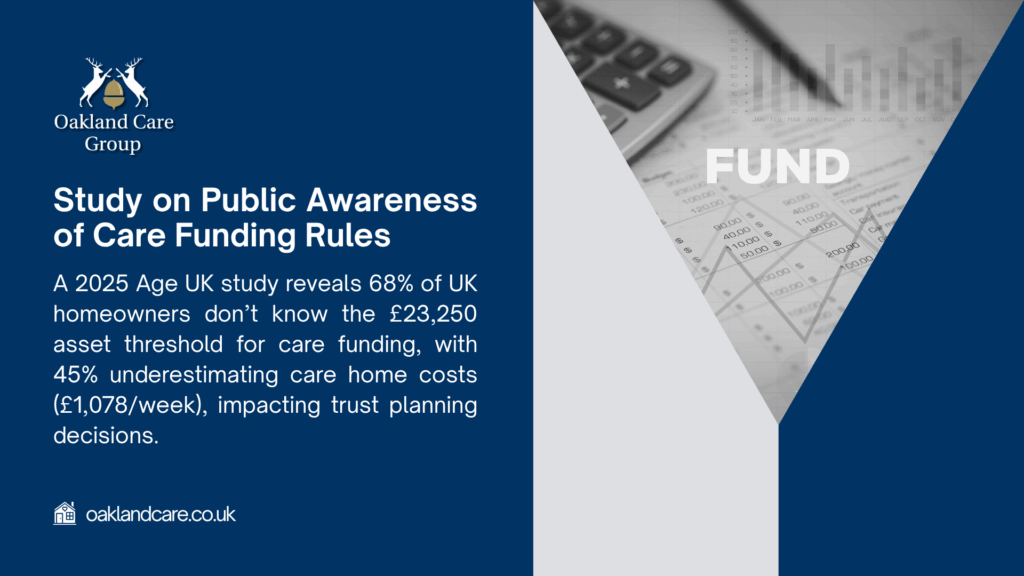
The £23,250 asset threshold catches many families off guard. Own anything worth more than this amount, and contributions toward care costs start immediately. For most homeowners, this means their property gets included in calculations unless specific exemptions apply.
However, some situations provide natural protection. Spouses living in the family home keep it safe from assessments. The same applies when certain other relatives live there permanently as their main residence.
The Famous Seven-Year Rule
Every family seems to know about the seven-year rule, but most misunderstand how it actually works. It’s not some magical guarantee that assets transferred seven years ago become untouchable.
The rule provides protection when two conditions are met. First, more than seven years must pass between the transfer and applying for care funding. Second, avoiding care fees mustn’t have been the primary reason for the transfer.
Proving alternative motives becomes crucial. Tax planning, helping children buy their first homes, or reorganizing family finances can all justify transfers. But councils have become expert at questioning these explanations, especially when the timing seems suspicious.
Smart families keep detailed records explaining their decisions. Bank statements showing children’s mortgage deposits, correspondence with tax advisers, or evidence of long-term estate planning all help support claims that transfers had legitimate purposes beyond care fee avoidance.
Trust Options That Might Actually Work
Not all trusts are created equal when it comes to protecting property from care assessments. Some work better than others, though none offer guaranteed protection.
Discretionary trusts hand control to trustees who decide when and how beneficiaries receive assets. This separation of control can help in care assessments since the original owner no longer directly controls the property. However, setup costs often exceed £5,000, with ongoing annual fees adding hundreds more.
Property protection trusts specifically target care fee avoidance, but their obvious purpose makes them vulnerable to challenge. Most experienced solicitors now recommend avoiding trusts with such transparent objectives.
When considering different care options, understanding the distinction between care home versus nursing home arrangements affects planning decisions. Nursing homes typically cost more and may be needed sooner for complex medical conditions.
Timing Can Make or Break Everything
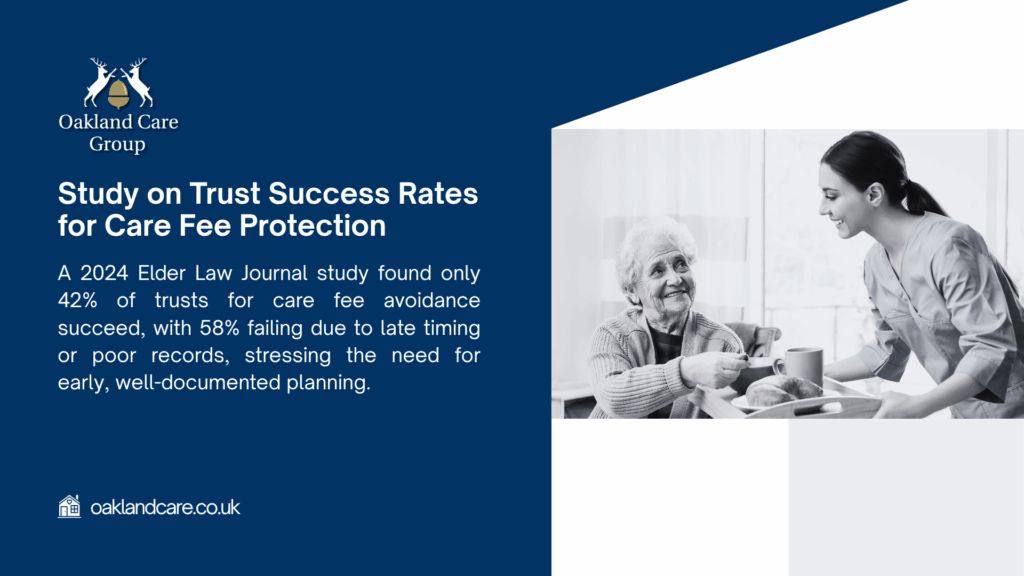
Ask any elder law solicitor about timing and they’ll tell you the same thing – most people leave it too late. Once health problems emerge or care needs become obvious, any asset transfers face intense scrutiny.
Robert and Helen from Manchester started planning in their early 70s while both remained healthy and active. When Helen needed care five years later, their trust arrangements sailed through council assessments because the timing looked reasonable and they’d documented legitimate estate planning reasons.
Compare this with Frank from Liverpool, who transferred his house to his children just six months before his Alzheimer’s diagnosis. Despite his family’s claims about estate planning, the council successfully argued deliberate deprivation and included the property value in his care assessment.
The difference between these outcomes? Timing and documentation. Councils find it much easier to prove care fee avoidance when transfers happen close to emerging care needs.
Planning at least seven years ahead provides the strongest protection, but even shorter periods can work with proper justification. The key involves demonstrating genuine reasons for transfers that exist independently of care fee concerns.
Simpler Alternatives That Often Work Better
While families obsess over complex trust arrangements, simpler solutions sometimes achieve better results with lower costs and fewer complications.
Equity release has transformed in recent years. Modern schemes let homeowners access property value while continuing to live there indefinitely. The money released can fund care costs while protecting remaining equity for inheritance. Interest rates have fallen significantly, making these arrangements more attractive than previously.
Joint ownership restructuring provides another option. Converting sole ownership to joint ownership with adult children can offer some protection, though this approach carries risks if relationships sour or children face financial difficulties.
Insurance specifically designed for care costs has become more sophisticated. Companies now offer policies that cover care expenses while protecting assets for inheritance. Premiums can be substantial for older applicants, but coverage often proves cheaper than losing entire property values to care fees.
Tax Traps That Destroy Plans
Nobody warns families about the tax implications until it’s too late. Trust arrangements can create immediate tax bills that wipe out any potential savings from care fee protection.
Capital gains tax hits when property transfers into trusts. The gain calculated between original purchase price and current value becomes immediately taxable. For properties bought decades ago, this can mean tax bills reaching tens of thousands of pounds.
Patricia from Exeter discovered this when transferring her £350,000 home (bought for £25,000 in 1975) into trust. The resulting capital gains tax bill of £52,000 completely negated any potential care fee savings.
Inheritance tax rules for trusts have become increasingly punitive. Some trust structures now attract higher tax rates than simple estate planning, making them counterproductive for many families.
Income tax on trust earnings often gets charged at maximum rates, creating ongoing costs that accumulate over time. These recurring charges need factoring into any assessment of whether trust arrangements provide value.
What This Really Costs
Trust arrangements involve multiple cost layers that catch families unprepared. Initial setup typically costs between £3,000 and £8,000 depending on complexity, but ongoing expenses continue indefinitely.
Annual administration fees range from £500 to £2,000 per year. Professional trustees charge separately, adding thousands more annually. Tax compliance costs extra, particularly when trust structures become complex.
Compare these ongoing expenses with paying for care home fees directly. In many cases, trust costs over ten to fifteen years exceed the protection they provide.
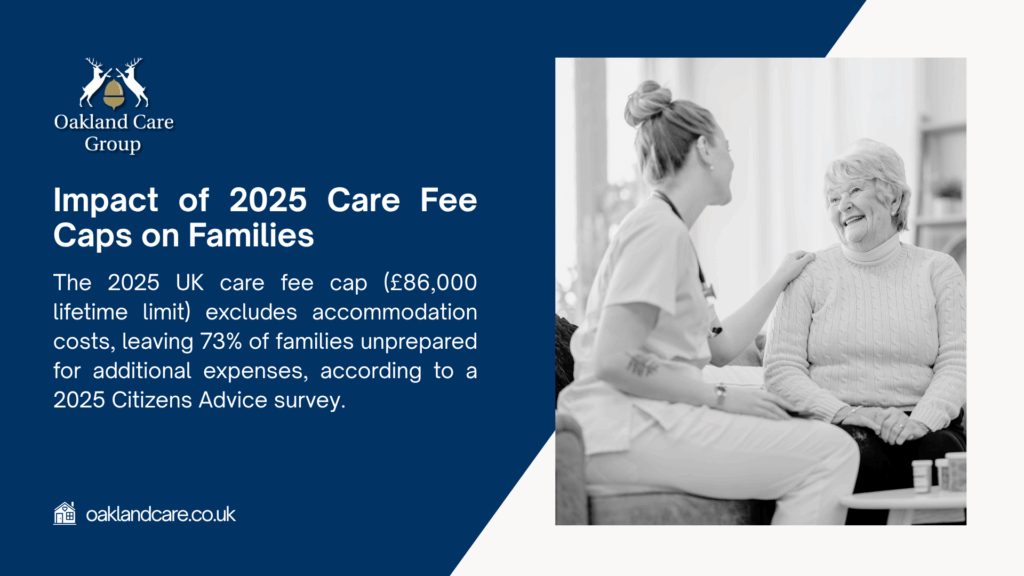
The government’s introduction of care fee caps changes these calculations significantly. Understanding how the cap on care home fees in the UK works affects whether complex arrangements remain worthwhile.
Some families discover their trust costs more than the care fees they’re trying to avoid. This outcome seems particularly cruel when simpler alternatives might have achieved better results.
So, Can I Put My House in Trust to Avoid Care Home Fees?
Yes, but there are three main problems that destroy most trust arrangements that initially seem promising. Learning from others’ mistakes helps avoid these expensive pitfalls.
Poor record keeping tops every solicitor’s list of problems. Families make informal decisions without documenting their reasoning properly. Years later, when councils investigate, the lack of evidence makes their position almost impossible to defend.
The Johnson family from Leeds exemplifies this problem. They transferred their home to children in 2018 but kept no records explaining their decision. When care needs emerged in 2024, they couldn’t prove the transfer wasn’t motivated by care fee avoidance.
Wrong trust structures for specific circumstances create ongoing problems. Some families discover their expensive arrangements provide no real protection while creating unnecessary complications and costs.
Family disputes can destroy even well-designed arrangements. When beneficiaries disagree about trust management or trustees fail in their duties, the resulting conflicts can compromise everything and create expensive legal battles.
Family Relationships and Trustee Duties
Trust arrangements inevitably complicate family relationships, sometimes creating conflicts that last for generations. Understanding these dynamics helps families prepare for potential challenges.
Choosing trustees requires careful consideration of family members’ capabilities and potential conflicts of interest. Adult children often seem like obvious choices but may lack time or expertise for proper administration.
Professional trustees provide expertise but cost significantly more than family members. They also lack the emotional investment that motivates family trustees to act in everyone’s best interests.
Regular communication helps prevent misunderstandings that can escalate into serious disputes. Some families schedule annual meetings to review trust performance and address any concerns before they become problems.
Care fee regulations continue evolving, affecting strategy effectiveness over time. What works today might fail tomorrow as councils develop new approaches to asset assessment.
Recent changes have standardized assessment processes across different local authorities, though interpretation variations still exist. Property valuation methods and joint ownership treatment have been clarified in updated guidance.
Staying current with regulatory changes requires ongoing professional support or extensive personal research. Many families underestimate this ongoing requirement when initially establishing trust arrangements.