
Moving a parent into a care home is rarely a simple decision. It sits at the intersection of emotion, safety, finances, and long-term well-being. This guide explains when the move becomes necessary, how dementia changes that decision, what care homes actually offer, and how to choose a place that feels right, not just acceptable. It also covers costs, common guilt, and what families often wish they had known sooner.
Moving a Parent into a Care Home
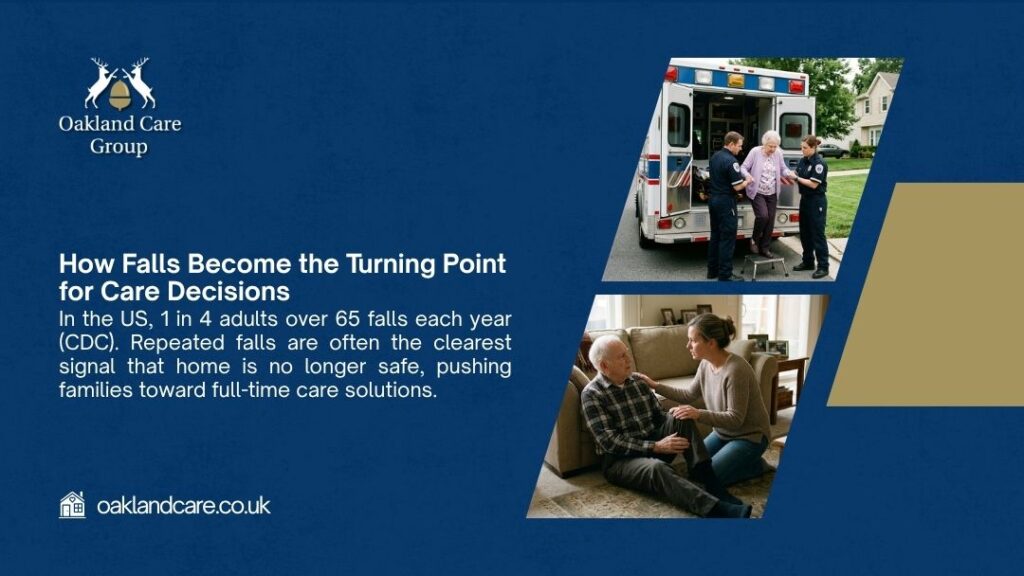
Moving a parent into a care home rarely begins with certainty. It usually starts with doubt. A missed medication, a fall that could have been worse, or a quiet realisation that things are no longer manageable at home. Families don’t arrive at this decision overnight. They circle it, question it, delay it, and often carry guilt long before any move actually happens.
Across the UK, this situation is becoming more common. With longer life expectancy and rising cases of dementia, more families are asking difficult questions about long-term care. According to the Alzheimer’s Society, nearly one in six people over 80 lives with dementia, which explains why terms like when is it time for memory care or when should someone with dementia go into a care home are searched so frequently.
Moving a parent into a care home is not about stepping back. It is about recognising when the level of care required has moved beyond what can reasonably be provided at home. That distinction matters more than most people realise.
When Is It Time to Move a Parent into a Care Home?
Most people don’t wake up one day knowing it’s time. It’s usually quieter than that. Something small happens, then happens again. And again.
You might notice things slipping. A missed tablet. A fall that could have gone badly. Or just a general sense that keeping everything together is taking more effort than it used to. That’s often where the question starts, not with certainty, but with doubt.
| Indicator | What It Suggests |
| Repeated falls or injuries | The home environment is no longer safe |
| Missed medication or confusion | Medical risks are increasing |
| Poor hygiene or nutrition | Daily support is needed |
| Wandering or disorientation | Supervision is essential |
| Caregiver exhaustion | Family support is no longer sustainable |
Here’s the difficult part: none of these on their own feels like enough reason. But together, they change the picture.
When dementia is involved, things tend to shift faster. The question becomes less about independence and more about safety. And once safety becomes uncertain, the situation changes completely.
The NHS highlights that people with advanced dementia often require continuous care. Not occasional help, but constant supervision. That’s the point where moving a parent into a care home stops being a question of preference and becomes a question of protection.
Understanding Dementia and Long-Term Care Needs
Dementia is not a single condition. It is a progression that affects memory, behaviour, communication, and physical ability. Early on, care for dementia patients at home may still be possible. Over time, however, needs become more complex.
Families often search for alzheimers home care or live-in dementia care, hoping to extend home support. In some cases, that works for a while. But when supervision must be constant, specialised environments become necessary.
| Stage of Dementia | Typical Care Needs |
| Early stage | Home care, routine support |
| Moderate stage | Assisted living or structured residential care |
| Advanced stage | Nursing care or dementia-specific care homes |
The transition point is rarely defined by age. It is defined by risk. When someone can no longer safely navigate their surroundings, remember essential routines, or recognise danger, the move toward a care home becomes unavoidable.
As noted by the Alzheimer’s Society, people living with dementia often benefit from structured, specialist environments that reduce confusion and support daily routines. That insight reflects what many families discover firsthand.
Care Home, Nursing Home, or Memory Care: What’s the Difference?
Confusion around care types can delay decisions. Many assume all care homes offer the same level of support, but the differences matter.
| Care Type | Purpose | Who It Suits |
| Residential care home | Daily living support | Older adults needing assistance but not full medical care |
| Nursing home | Medical and nursing care | Individuals with complex health needs |
| Memory care facility | Specialist dementia care | People with Alzheimer’s or cognitive decline |
| Home care services | Support at home | Early-stage or lower dependency needs |
Understanding what is the difference between assisted living and memory care becomes critical when dementia is involved. Assisted living focuses on independence, while memory care prioritises safety, structure, and supervision.If you’re weighing these options, this comparison of care home vs nursing home explains how levels of care differ in practice.
Choosing the Right Care Home in the UK
Finding the right care home rarely comes down to a checklist alone. It is more personal than that. Families often walk into a place and instinctively feel whether it’s right or not. That instinct usually forms within minutes, the atmosphere, the tone of staff interactions, even the way residents look at ease (or don’t). Still, instinct should be supported with proper evaluation.
Across the UK, care homes are regulated by the Care Quality Commission (CQC), which assesses safety, effectiveness, responsiveness, and leadership. A Good rating is reassuring, but it’s not the whole picture. Some homes with similar ratings feel entirely different in practice.
| What to Observe | What It Reveals |
| Staff interactions with residents | Whether care feels warm or routine-driven |
| Cleanliness and smell | Hygiene standards and daily upkeep |
| Noise levels | Calm environment vs. overstimulation |
| Activities and engagement | Quality of life beyond basic care |
| Dining experience | Attention to dignity and enjoyment |
What often sets higher-quality providers apart, such as premium operators like Oakland Care, is the balance between clinical support and lifestyle. Homes that feel like places to live, not just places to be cared for, tend to support better long-term wellbeing.
Location should also be considered carefully. Regular visits from friends and family can make a meaningful difference to emotional health. That’s why many families explore nearby options such as a care home in Chichester or a care home in Littlehampton, where familiarity remains part of daily life.
The Emotional Side: Guilt and Family Conflict
The decision to move a parent into a care home often creates tension within families. Siblings may disagree. One person may feel the move is overdue, while another believes it is premature. These differences can strain relationships at a time when unity is needed most. Then there’s the guilt.
It tends to surface in quiet moments. Questions like Could I have done more? Or are they going to feel abandoned? come up again and again. Even when the decision is clearly in the parents’ best interest, those thoughts don’t disappear overnight.
What many families discover, though, is that guilt often fades once they see the reality of care. Structured routines, proper nutrition, and consistent supervision can bring a level of stability that simply wasn’t possible before.
| Emotional Concern | What Usually Happens Over Time |
| Fear of abandonment | Regular visits rebuild reassurance |
| Feeling of failure | Replaced by relief when safety improves |
| Family disagreements | Settle once care needs are clearly met |
| Worry about loneliness | Reduced through social interaction |
It is worth remembering that care homes do not replace family roles. They support them. Families remain central to emotional connection, while care professionals handle the demands that require constant presence.
If this is something weighing heavily, learning more about the guilt of putting a parent in a care home can help bring a more balanced and grounded perspective.
Understanding Costs and Financial Planning
Cost is often the most practical concern. It can also be the reason families delay decisions, sometimes longer than they should. Care home fees in the UK vary depending on care type, location, and level of support required. If you want to understand what drives those differences before you start comparing homes, read a clear 2026 breakdown of care home costs across the UK.
| Type of Care | Average Weekly Cost |
| Residential care | ~£1,298 – £1,400/week |
| Nursing care | ~£1,512 – £1,535/week |
| Dementia care | ~£1,375 (Residential) – £1,585+ (Nursing) |
The average cost of a care home per week in the UK depends on several factors, including location, level of care required, and available facilities. These elements all play a role in determining overall pricing.
Families also often ask whether assets will need to be used or whether support is available. The answers depend on financial assessments conducted by the local authority, and each case differs.
How to Move a Parent into a Care Home (Step-by-Step)
There isn’t a perfect moment to start this process. Most families begin when something feels off, then realise they should have looked into it sooner. If you’re unsure where to begin, this is how it usually unfolds in real life.
| Step | What Actually Happens |
| Recognising the need | This often starts with small warning signs, missed medication, confusion, or exhaustion from trying to manage everything alone. |
| Speaking to professionals | A GP or local authority assessment helps confirm the level of care required. This step removes guesswork. |
| Shortlisting care homes | Families usually visit 2–4 homes. The first one sets expectations, the second raises questions, and by the third, clarity starts forming. |
| Visiting in person | Pay attention to how staff speak to residents, not just what they say to you. That’s where the real quality shows. |
| Financial planning | Understanding funding early avoids rushed decisions later. Costs vary, and options depend on individual circumstances. |
| Making the decision | This is rarely unanimous within families, but it becomes easier once safety becomes the priority. |
| Planning the move | A gradual transition, where possible, helps reduce confusion and resistance. Familiar items make a big difference. |
Some families try to delay this process. That’s understandable. But here’s what tends to happen: waiting usually limits choices, not improves them.

Preparing for the Move: The Small Things That Make a Big Difference
Once the decision has been made, preparation becomes less about logistics and more about easing the transition. The move itself can feel abrupt, particularly if it follows a hospital stay. In calmer situations, however, taking time to prepare can make a noticeable difference.
Involving the parent in decisions, even small ones, helps maintain a sense of control. Choosing personal belongings, arranging furniture, or deciding on routines can reduce anxiety.
| Preparation Step | Why It Matters |
| Visiting the home beforehand | Builds familiarity |
| Bringing personal items | Creates a sense of continuity |
| Establishing routines | Reduces confusion |
| Introducing staff gradually | Builds trust |
Rooms should not feel like temporary spaces. They should reflect the person’s life, photographs, familiar furniture, and meaningful objects, all of which help bridge the gap between past and present.
Practical details also matter. Understanding policies, such as visiting hours or daily schedules, can help families stay connected. Focusing on care home room preparation early on also provides a helpful starting point for creating a comfortable and familiar environment.
What Happens After the Move?
The first few weeks tend to be the most uncertain. Families often expect resistance or decline. In reality, adjustment varies widely. We’ve broken down the typical care home adjustment period in more detail, including what families can realistically expect month by month. Some residents settle quickly, especially if they have already been struggling at home. Others take longer, particularly if the move felt sudden or unfamiliar. Give it a few weeks, and you start to see a rhythm settle in.
| Area of Life | Typical Change After Moving |
| Health | Stabilises due to regular monitoring |
| Nutrition | Improves with structured meals |
| Social interaction | Increases through shared activities |
| Sleep patterns | Becomes more consistent |
Home care staff play a central role in this adjustment. Their consistency provides reassurance, and their experience helps them recognise subtle changes in behaviour or health. Most people notice the same signs, even if they don’t recognise them straight away. Instead of focusing on caregiving tasks, time can be spent simply being together.
Why More Families Are Choosing Care Homes Earlier
There has been a quiet shift in how families approach long-term care. In the past, care homes were often seen as a last resort. Today, many families begin exploring options earlier, particularly when dementia is involved. This change is partly driven by awareness. More people understand that delaying care can lead to avoidable risks.
Modern care homes have also changed. The environment is no longer purely clinical. Many now focus on comfort, community, and quality of life alongside medical support.
| Traditional Perception | Modern Reality |
| Institutional setting | Homely, purpose-built environments |
| Basic care | Personalised, lifestyle-focused care |
| Limited activities | Structured social engagement |
| Reactive care | Proactive health monitoring |
Providers like Oakland Care reflect this shift by combining personalised care with hospitality-style living and strong community values. As a result, families are increasingly asking not just when to put someone in a nursing home, but whether earlier intervention could improve long-term well-being.

FAQs About Moving a Parent into a Care Home
How do you move a parent into a care home without upsetting them?
This is one of the hardest parts. Involving them early, where possible, helps reduce resistance. Visiting homes together, discussing options gently, and keeping familiar routines can make the transition less overwhelming. Even small things, like bringing personal belongings, can make the new space feel less unfamiliar. For the weeks that follow, these tips for helping a parent settle in explain how routines, visiting patterns and gentle reassurance can ease the adjustment.
What happens to your parents’ house when they go into a care home?
This depends on financial circumstances and funding arrangements. In some cases, the property may be included in financial assessments for care fees. However, there are exceptions, especially if a spouse or dependent still lives there. It’s always worth speaking to a financial advisor or local authority before making decisions.
How quickly can someone be moved into a care home in the UK?
It varies. In urgent cases, such as after hospital discharge, the move can happen within days. In other situations, families may take weeks to research and choose the right home. Availability, funding, and care needs all influence the timeline, so early planning usually leads to better options.
How do you know when moving a parent into a care home is the right decision?
It usually becomes clear when safety, health, or daily living cannot be managed reliably at home. Frequent falls, confusion, or caregiver exhaustion are strong indicators.
What is the difference between a care home and a nursing home in the UK?
A care home provides personal support such as washing and meals, while a nursing home includes 24-hour medical care delivered by qualified nurses.
When is memory care needed for dementia patients?
Memory care becomes necessary when cognitive decline affects safety, awareness, or the ability to manage daily routines independently.
Can social services force someone into a care home in the UK?
In most cases, no. However, if someone lacks mental capacity and is at risk, local authorities may intervene following legal assessments.
How long does it take to adjust after moving into a care home?
Adjustment varies. Some settle within weeks, while others may take a few months, especially if the move was sudden.
What should you look for when choosing a care home?
Focus on staff interaction, cleanliness, activities, communication, and overall atmosphere rather than relying solely on ratings.
Is it normal to feel guilty about putting a parent in a care home?
Yes, it is very common. However, many families find that the feeling eases once they see improvements in safety and well-being.
A Decision That Changes Everything, Yet Helps Everyone
Moving a parent into a care home changes the dynamic of a family. It brings relief, uncertainty, and often a sense of loss. But it also brings stability.
If you are at the stage where questions outweigh answers, that is usually the moment to begin exploring options. Speak to care providers, visit homes, and understand what support looks like in reality, not just in theory.
Exploring local options, such as a care home in Worthing or a care home in Arundel, can help turn uncertainty into clarity. What matters most is not the timing being perfect. It rarely is. What matters is ensuring safety, dignity, and a level of care that truly supports the person you love.
